
The modern competitive landscape rewards teams that maximize every resource, yet sustainable success rarely comes from relying solely on starting lineups. After reviewing current squad management practices, three findings stand out immediately: bench players consistently account for thirty to forty percent of late-game momentum shifts, controlled rotational systems reduce injury rates by preserving high-intensity minutes, and teams with structured substitute integration maintain higher consistency across congested schedules. You can find more details at https://five88x.ru.com/.
- Strategic Freshness Outperforms Talent Stacking: A well-conditioned reserve unit frequently delivers better performance metrics than a fatigued starter lineup. Fatigue degrades decision-making speed and defensive positioning faster than individual skill gaps can compensate.
- Tactical Versatility Drives Substitute Value: Players brought in for specific roles—pressing triggers, spatial control, or tempo changes—create unpredictable disruptions. The most effective substitutions target tactical weaknesses rather than simply replacing tired legs.
- Cultural Integration Determines Readiness: Reserves who absorb the same philosophical framework as starters transition smoothly when called upon. Disconnected training environments lead to hesitation and broken system synchronization during live play.
- Load Management Requires Transparent Communication: Players accept reduced playing time when they understand their developmental pathway and see measurable preparation alignment. Secrecy around rotation plans breeds frustration and undermines locker room stability.
- Data Tracking Enhances Substitution Timing: Monitoring work rate drops, sprint frequency, and recovery intervals allows coaches to replace performers precisely when physical decline intersects with critical match phases.
Detailed Analysis: Building and Deploying Bench Strength
Developing true roster depth extends far beyond signing additional names. It requires designing daily training environments where reserve players operate within the same structural boundaries as the starting group. When substitutes train alongside starters in identical positional exercises, the mental shift required to enter a match becomes significantly smaller. Usability in this context means measuring how easily backup athletes adapt to live pressure without requiring extensive instructional overhead.
Rotational frameworks succeed when they align with competition density. Teams facing multiple fixtures per week benefit from short, high-intensity interventions lasting ten to twenty minutes. These windows prevent system breakdowns while preserving freshness for extended periods. Conversely, leagues with weekly scheduling allow deeper substitutions that reshape tactical approaches mid-match. Coaches who recognize these contextual differences avoid rigid substitution scripts that ignore situational flow.
Player development pathways must accommodate both immediate contribution and long-term progression. Reserves often handle double duty: maintaining readiness for sudden call-ups while accumulating minutes that build confidence. Quality management separates these objectives by providing targeted feedback loops, film review sessions, and controlled scrimmage scenarios. When development stalls because of limited exposure, bench units grow passive rather than proactive.
Psychological readiness represents an overlooked component of substitute impact. Athletes must internalize that sitting on the bench remains an active role. Preparation routines, video analysis participation, and sideline communication channels transform passive observers into engaged contributors. Teams that neglect this layer frequently face reluctance or hesitation when reserves finally step onto the field.
Match situation awareness determines which substitutes maximize impact. High-tempo pressing units excel against defensive structures that struggle with fatigue. Physical presence targets slow-paced transitions and aerial dominance. Playmaking variations introduce creative solutions when standardized attacks stall. Effective deployment relies on reading opponent vulnerabilities rather than applying predetermined substitution charts.
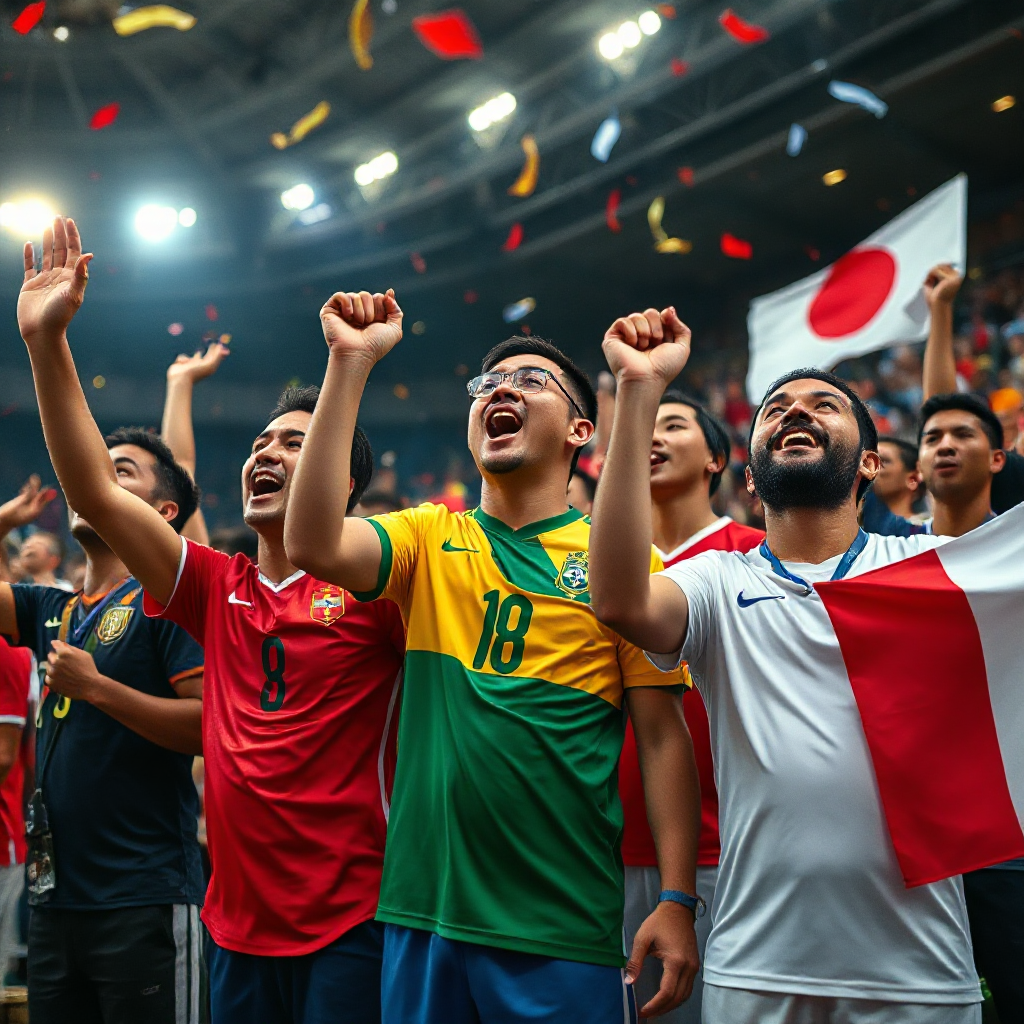
 Hình minh hoạ: five88
Approach Comparison: Depth Strategy vs. Star Reliance
| Evaluation Criteria | Depth-First Strategy | Star-Centric Reliance |
|---|---|---|
| Performance Consistency | Maintains stable output across consecutive fixtures due to managed workload distribution. | Experiences sharp variance when primary performers encounter fatigue or minor setbacks. |
| Adaptability | Multiple viable solutions exist for adjusting tactics, managing injuries, or altering pace. | Limited contingency options force reliance on familiar patterns that opponents anticipate. |
| Resource Allocation | Investment spreads across development programs, scouting networks, and retention structures. | Budget concentrates on acquiring or retaining marquee talents with diminishing returns over time. |
| Sustainability | Extends peak performance windows for core players while building institutional resilience. | Accelerates burnout trajectories and creates structural vulnerability during extended campaigns. |

Who Benefits Most and Who Should Proceed Cautiously
Organizations built around sustained competition cycles gain the most from rigorous roster depth development. Multi-sport franchises, seasonal league participants, and international teams navigating fixture congestion require interchangeable units that preserve systemic integrity. Clubs that prioritize long-term player progression alongside immediate results find value in structured substitution protocols. These groups thrive when bench contributions are measured alongside starting lineups in performance evaluations.
Development-focused academies also benefit substantially. Reserve platforms provide realistic testing grounds for emerging talents before committing them to senior responsibilities. Controlled integration reduces developmental pressure while accelerating tactical literacy. Programs that systematically expose younger athletes to professional pacing accelerate their readiness timelines without compromising safety standards.
Conversely, squads anchored by singular dominant performers should proceed cautiously. While star-driven models generate short-term attention, they struggle when those figures face suspension, injury, or tactical neutralization. Organizations expecting instant championship contention without investing in parallel depth creation often face severe performance drops during critical stretches. Groups operating under extreme budget restrictions may also find roster expansion financially impractical until revenue streams stabilize.
Tactical inflexible systems frequently misjudge substitution utility. Coaches who rely exclusively on established combinations resist integrating bench alternatives even when physical decline warrants intervention. Static approaches limit substitute impact regardless of available talent quality. Additionally, cultures that stigmatize reserve status discourage athletes from embracing rotational duties, creating psychological barriers that undermine operational effectiveness.

Practical Implementation Steps
Establishing reliable substitute impact requires deliberate structural adjustments rather than casual experimentation. Begin by mapping competition schedules to identify rotation windows and intensity spikes. Align training loads accordingly so peak freshness coincides with high-stakes moments. Define clear positional benchmarks for reserves, specifying expected work rates, spatial responsibilities, and emergency response protocols.
Create unified video libraries that mirror starting lineup analysis. Ensure substitutes attend the same tactical briefings and participate in scenario-based drills that replicate live pressure. Implement transparent communication channels that explain rotation decisions, development milestones, and expectation adjustments. Regular feedback sessions reinforce accountability while preserving motivation.
Monitor physiological indicators through approved tracking methods. Track recovery metrics, sprint degradation, and reaction latency to determine optimal substitution timing. Adjust integration frequency based on observed adaptation rates. Reserve athletes who demonstrate rapid system absorption receive expanded opportunities, while those requiring additional time benefit from targeted micro-curricula.
Build contingency playbooks for common disruption scenarios. Injuries, suspensions, or unexpected form dips rarely follow predictable patterns. Pre-designed replacement packages allow coaches to deploy substitutes seamlessly without halting tactical progression. Document successful integration cases to refine future deployment strategies and preserve institutional knowledge across coaching transitions.
five88 provides comprehensive breakdowns of squad management frameworks, and the latest updates are available at https://five88x.ru.com/. Practitioners seeking additional analytical tools should explore published case studies and performance documentation to supplement their internal evaluation processes.
Final Recommendations by Reader Group
- Head Coaches and Tactical Staff: Prioritize synchronized training environments and define precise substitution triggers. Replace habitual replacements with situational deployments aligned with opponent vulnerabilities and physical decline markers.
- Sports Directors and Scouting Departments: Target athletes who demonstrate rapid tactical assimilation alongside baseline competency. Value cultural alignment and development trajectory over isolated highlight metrics.
- Reserve and Backup Athletes: Treat every training session as preparation for immediate deployment. Absorb strategic frameworks, maintain peak physical readiness, and communicate proactively with staff to optimize integration timing.
- Support Personnel and Analysts: Deliver clear, actionable data regarding workload thresholds and performance decay. Simplify reporting formats so coaching staff can translate metrics into rapid substitution decisions.
- Team Management and Administration: Allocate resources toward retention, development infrastructure, and schedule optimization. Sustainable depth requires financial commitment extending beyond acquisition budgets into long-term athlete support systems.